
Spay and neuter day: what actually happens while you wait


By Dr. Meg Roth, The Music City Vet • November 10, 2026

Dropping your pet off for a spay or neuter is one of those mornings that feels bigger than it is. You hand over the leash or the carrier, get a quick "we'll call you," and then you go sit at work and refresh your phone. We get it. So here is the play by play of what happens on our end between drop-off and pick-up, because the waiting is a lot easier when you know what is going on behind the door.

The night before and the morning of

The prep starts at your house. No food after 10 PM the night before. Water is fine right up until you leave for the clinic. An empty stomach matters because anesthesia can cause nausea, and we want nothing in there to come back up.

When you book, we will confirm your drop-off time. If you can, fill out the Pet Drop-off Form at home ahead of time. It tells us the best number to reach you at and what you are authorizing, which saves clipboard time at the front desk.

One quick note on timing. For most cats and small dogs, we usually recommend the surgery around six months of age. For large breed dogs we often suggest waiting until twelve to eighteen months so their joints finish growing first. The AAHA guidelines back this up, and the doctor will give you a recommendation for your pet's specific breed and size.

Before anyone picks up a scalpel

Every surgical patient here gets pre-anesthetic bloodwork. We are checking that the kidneys and liver, the organs that process anesthesia, are doing their jobs, and that there is nothing hiding in the red and white cell counts that would make us want to wait. A young, healthy looking pet almost always passes with flying colors. We check anyway, because "almost always" is not good enough for someone's family member.

Then we place an IV catheter. That gives us a way to deliver fluids during the procedure and an instant line for medication if we ever need it. Your pet gets a sedative to take the edge off, and once they are relaxed, we move to general anesthesia.

Here is the part most people do not know about. From the moment your pet goes under until they are awake again, a veterinary assistant is sitting right there whose only job that hour is your pet. Heart rate, breathing, oxygen level, blood pressure, temperature. They are watching the numbers, and they are watching the patient. Pets lose body heat quickly under anesthesia, so we keep them on warming the whole time.

The surgery itself

A neuter is the quicker of the two. The testicles are removed through a small incision, and for most dogs and cats it is done in well under half an hour. A spay is abdominal surgery. The ovaries and uterus are removed through an incision on the belly, so it takes longer and the recovery asks a little more of you at home.

Why do it at all? Spaying before the first heat sharply lowers the risk of mammary tumors later in life and takes a uterine infection called pyometra, a true emergency in older unspayed females, off the table entirely. Neutering removes the risk of testicular cancer and tends to cut down on roaming, marking and fighting. If you want to go deeper, our surgery page covers the rest of what we do in the suite.

Waking up and the phone call

Once the last stitch is in, the anesthesia comes off and we tuck your pet into a warm, quiet recovery spot where someone can keep an eye on them. Most pets are lifting their heads within minutes and wobbling around like they have had one too many on Broadway within the hour. That passes.

Then we call you. We call the moment your pet is awake, not at the end of the day, because we know you have been staring at your phone. Routine surgeries go home the same afternoon once your pet is awake, warm and comfortable. Overnight stays for a spay or neuter are rare.

Pick-up and the next ten days

At pick-up you will get written home-care instructions, pain medication and a direct number to call with questions. The big rules are simple: keep things calm for several days, no jumping on the couch or wrestling with the other dog, and keep the incision dry and the tongue away from it. The cone is annoying. The cone also works. A surgical recovery suit is a fine alternative for pets who treat the cone as a personal insult.

Peek at the incision once or twice a day. A little pinkness is expected. Swelling that grows, discharge, an opening or a pet who stops eating or seems painful despite the medication is a reason to call us. Recheck visits after surgery are included, so bring them back in and let us look.

Still have questions?

If your pup or kitten is coming up on that age, or you have a big dog and are not sure whether to wait, call us at (615) 833-4423 and we will talk it through. Spays and neuters are routine for us, and here in South Nashville we would rather you know exactly what the day looks like than spend it worrying.

Dr. Meg Roth, The Music City Vet

The Music City Vet

Dr. Meg Roth

Owner of Paws & Claws Animal Hospital. More posts

Have you scheduled your pets annual exam?


SHARE THIS

Latest Posts

By Dr. Meg Roth, The Music City Vet • November 6, 2026
Nashville spots that let dogs inside or under a heater this winter, plus a vet's notes on vaccine records, beer and hops, salty snacks and when to head home.
By Dr. Meg Roth, The Music City Vet • November 3, 2026
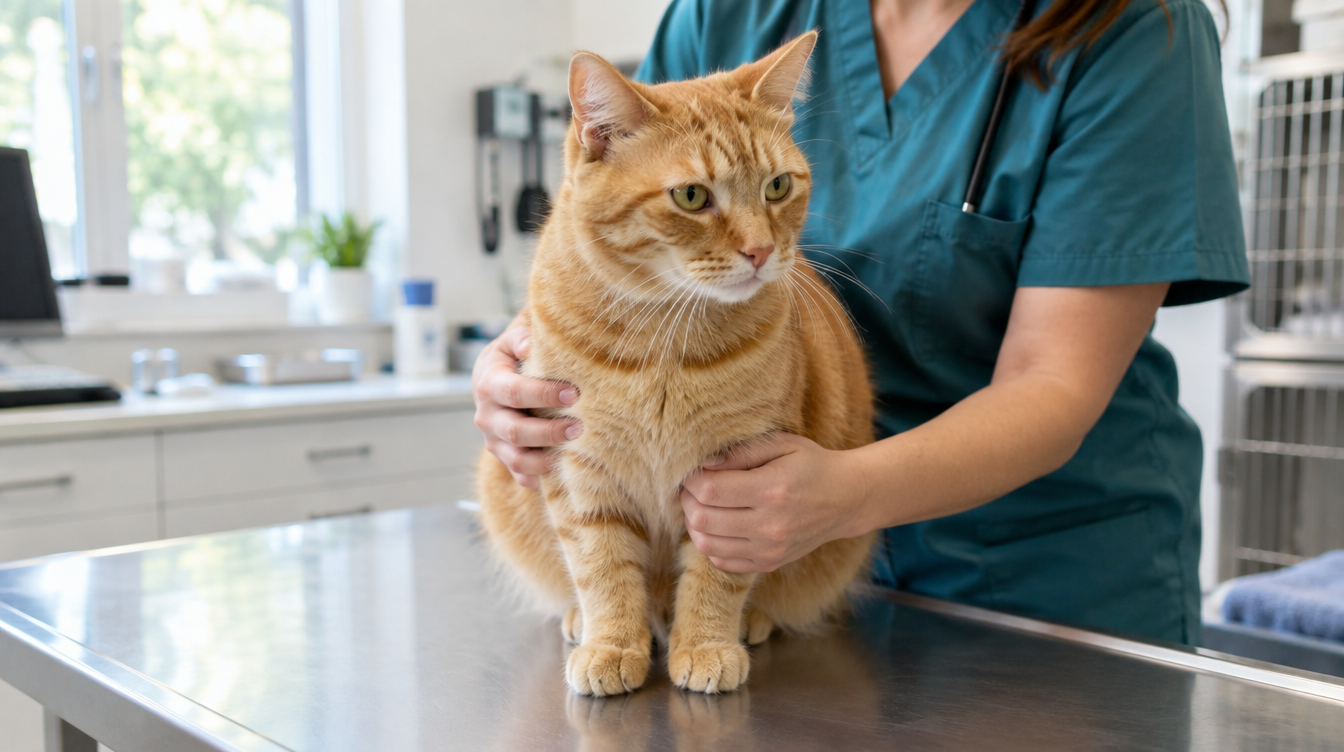
What a CBC, chemistry panel and thyroid test measure, which numbers matter, why we check healthy senior pets, and what a blood draw is like at our Nashville vet.
By Dr. Meg Roth, The Music City Vet • October 30, 2026
The clocks fall back Sunday. How to help your dog or cat adjust to the new dinner time, walk safely in the dark, and watch for coyotes at dusk in Nashville.
By Paws & Claws Animal Hospital • October 27, 2026
Tennessee ranks among the top states for heartworm. Why Nashville dogs and cats need prevention every month, even in winter, and what the yearly test is for.
By Paws & Claws Animal Hospital • October 23, 2026
Which pet problems cannot wait until morning, the three 24-hour emergency hospitals near South Nashville with addresses and phones, and what to do on the way.
By Paws & Claws Animal Hospital • October 20, 2026
How laser therapy works for arthritic, healing and itchy dogs and cats, what a session is like, and what it can and cannot do. From your Nashville neighborhood vet.
By Paws & Claws Animal Hospital • October 16, 2026
Indoor cats still need a few core vaccines. Here is why, which ones matter most, and what to expect at the visit, from your Nashville neighborhood vet.
By Paws & Claws Animal Hospital • October 16, 2026
What happens during a dog or cat dental cleaning, why we use anesthesia, signs to watch for, and how to care for teeth at home. From your South Nashville vet.
By Paws & Claws Animal Hospital • October 16, 2026
Mushrooms, acorns, rat bait and antifreeze all show up around Nashville homes in fall. Here is what to watch for with dogs and cats, and when to call us.
Cat sitting by a bowl of Halloween candy near the front door
By Paws & Claws Animal Hospital • October 6, 2026
Halloween is coming to Nashville. Here is how to keep dogs and cats safe around candy, costumes, decorations and a doorbell that will not stop ringing.
Show More