
Holiday decorating with pets: trees, tinsel and toxic plants
By Dr. Meg Roth, The Music City Vet • November 20, 2026

Thanksgiving is next Thursday, and around South Nashville that means the tree goes up the weekend after. We love this stretch of the year. We also see a predictable run of holiday visits every December, and most start with something shiny, something green, or something that was never meant to be a snack. Here is what we watch for.
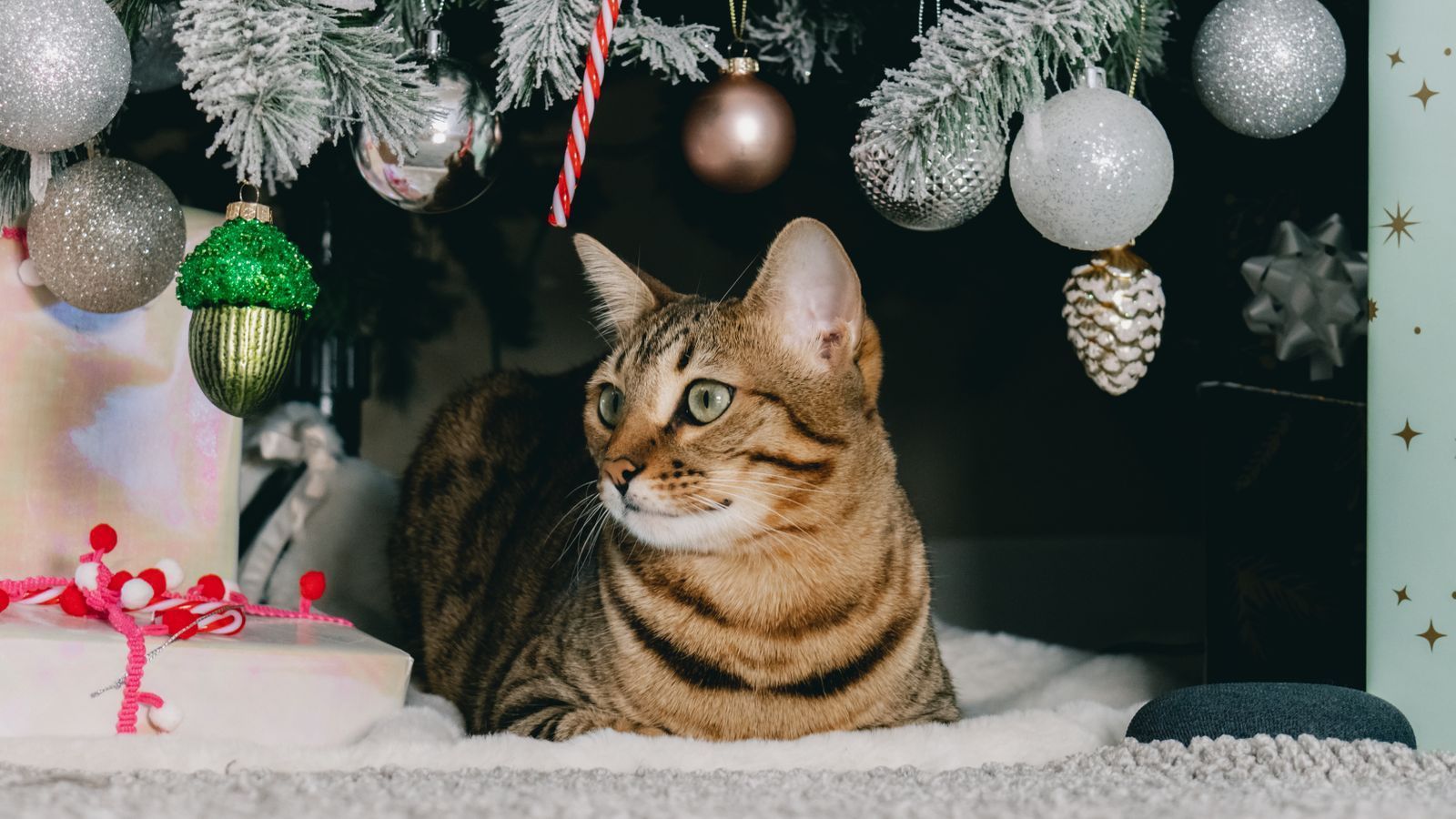
The tree, and the cat who is sure it was put up for them
Cats climb trees. Dogs bump into them, usually with a tail. Either way, a tipped tree is a mess at best and a vet visit at worst, so anchor it. A loop of fishing line from the top of the tree to a hook in the wall is nearly invisible and works. Some clients put the tree up bare for a day or two so the novelty wears off before the breakable stuff goes on.
The water in the stand is the part people forget. It sits for weeks at nose level and turns into a bacteria soup that can cause vomiting and diarrhea. Skip the additives some folks use to keep the tree fresh, and cover the stand with a tree skirt or foil so nobody can drink from it.
Hang glass ornaments and anything edible (candy canes, popcorn strings, salt dough ornaments) up high. Chewed glass cuts mouths, and salt dough can throw a pet's electrolytes badly out of balance. Tuck light cords out of reach and unplug them when you leave; a chewed cord means burns or a dangerous shock.
Tinsel, ribbon and the surgery nobody wants
If you share your home with a cat, please just skip tinsel. It sparkles, it moves, and it is exactly the right size to bat around and swallow. A swallowed strand does not pass quietly. It can saw its way along the intestine, and the fix is usually surgery. Curling ribbon, gift twine and bows do the same thing, and dogs will happily eat them along with the wrapping paper.
Signs we worry about are repeated vomiting, refusing food, hiding, a tender belly or straining in the litter box. If you ever spot string hanging from either end of your pet, do not pull it. Let someone look first.
Lilies are the one that keeps us up at night
Holiday bouquets love a lily, and lilies are the most dangerous plant we can think of for a cat. The true lilies and daylilies (Easter, Asiatic, Oriental, stargazer, tiger and daylily) can cause kidney failure from a frighteningly small exposure: a bite of leaf, a few pollen grains licked off the fur, or a sip of the vase water. Early signs show up within hours and look vague: drooling, vomiting, not eating, being quieter than usual. Kidney damage follows within a day, and treatment works best when it starts inside the first 18 hours.
Our rule is simple. If there is a cat in the house, lilies do not come in the house, and it is worth telling anyone who might send flowers. Dogs usually get only a mild stomachache from the same plants. Peace lilies and calla lilies are a different family and mostly cause mouth irritation and drooling, while lily of the valley can affect the heart rhythm in both dogs and cats. Not sure what you have? Bring the plant or a photo and we will sort it out.
Poinsettias, holly, mistletoe and amaryllis
Good news first: poinsettias have a scarier reputation than they deserve. The sap irritates the mouth and stomach and can cause a little vomiting, and that is usually the whole story. Holly and mistletoe deserve more respect, since both can cause stomach upset and, in larger amounts, heart and blood pressure trouble. Amaryllis bulbs are on the same list. Keep these up on a mantel or go faux. And watch the snow globes: many are filled with ethylene glycol, the same chemical that makes antifreeze so dangerous, so a cracked one needs cleaning up right away.
Candles, potpourri and a quiet room for the party
Never leave a lit candle alone with a pet in the room; a wagging tail can send it over in a second. Liquid potpourri is a quieter hazard. The essential oils in it can burn the mouth, eyes and skin, and cats are especially sensitive because they groom whatever lands on their coat.
When guests arrive, ask them to keep medications in a closed cabinet rather than an open bag, watch the front door, and give your pet a calm room to retreat to. Check that the collar tag and microchip registration are current before the first party, not after someone slips out.
When to call us
If your pet vomits more than once, stops eating, drools, seems weak, strains without result, or you know a cat touched a lily or swallowed string, do not wait and see. Weekdays, our daytime urgent care is set up for exactly this. After hours, head to one of the emergency hospitals we partner with. The ASPCA Animal Poison Control Center at (888) 426-4435 and the Pet Poison Helpline at (855) 764-7661 are open around the clock.
Decorate away, Nashville. Anchor the tree, lose the tinsel, keep the lilies out, and if anything seems off over the holidays, book a visit or give us a call. We would much rather see you for a quick check than a long night.
Have you scheduled your pets annual exam?
SHARE THIS